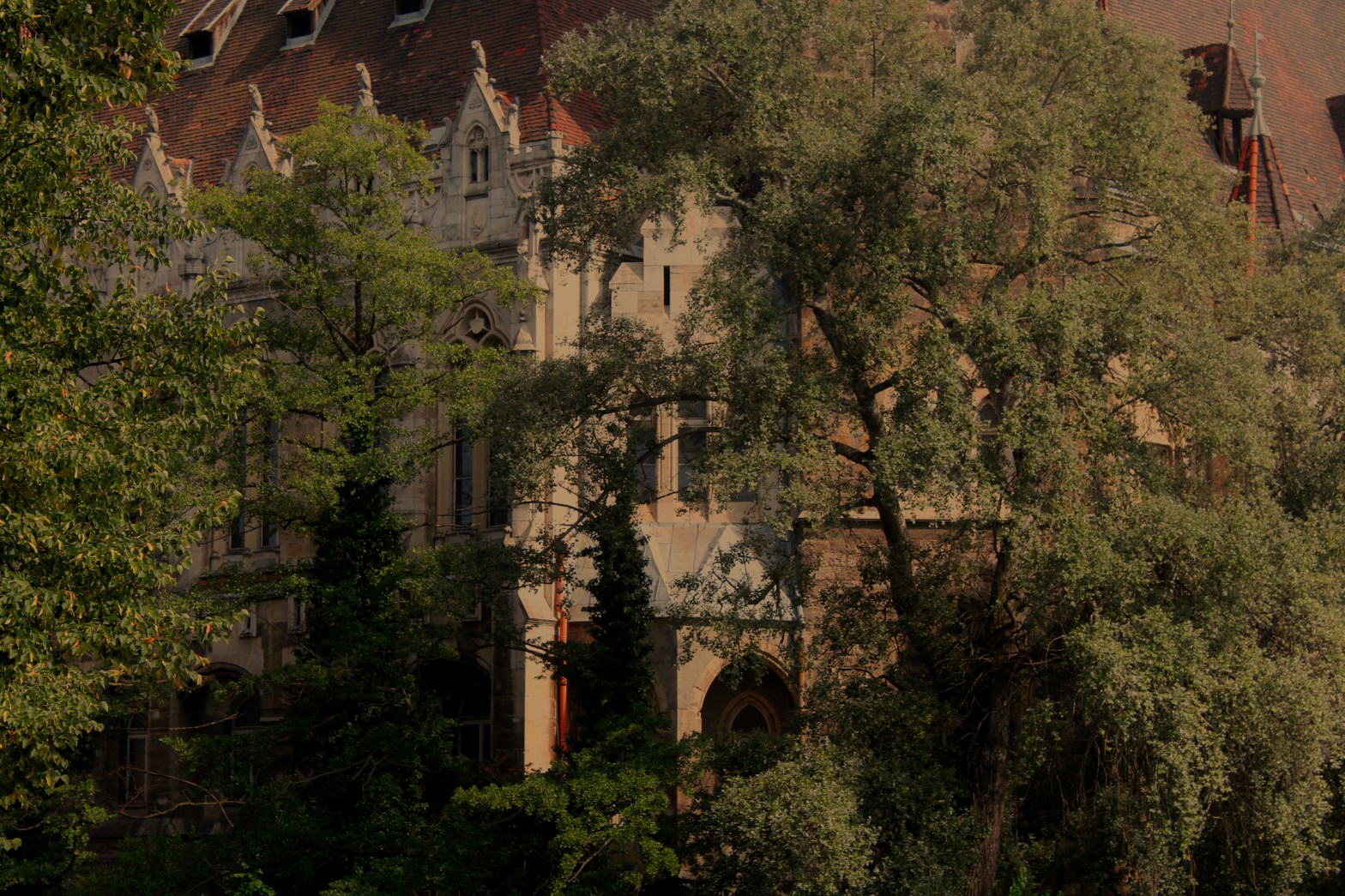
Places can tell so many stories. Just think of all the things walls could give away about you, if they could talk and were able to remember.
Some places that I have been to with my witch felt like a kind of fairytale that I would have liked to read when I was little. Some others were a cold reminder of darkness that paves the streets we are still walking everyday.
Tonight, I want to write about nostalgic places.
About a special kind of nostalgic places. I want to write about places that were built for a past and a future that never really happened. I want to write about places that made me dream and yearn, and be stunned by how fragile we are. The most encouraging thing people told each other over the past years when we were having a plague, were burning down and were expecting a world war was something like „We are stronger than we think we are“ and I adore you if you are able to swallow this.
With this, I want to acknowledge our fragility. I want to look at it directly, and utter some naive and childish dreams for a future.
If you continue reading, you will see beautiful fortresses, learn something about Hungarian history, and learn about my dreams for Europe and the world.
Sounds cool?
Halaszbastya – The fisherman’s bastion

Old places usually have a certain mystical flair around them. You can sense the history that was written there, and you feel the need to explore.
When I was visiting the fisherman’s bastion, the beautiful monument in the heart of Budapest with a view across the Danube and Pest, I felt as if I was standing in a place that was centuries old, if not more. An association I had in mind were sets from the “Lord of the ring” – movies. This was it must have felt like to walk around in Gondor!

But it actually was not. It had been built around the beginning of the 20th century, so it had not chosen an easy time to come to be in this world.
I usually do not write about these more recent parts of history. It’s not that the topics are too heavy for me or that I don’t have anything to say to them. It’s more that my emotions needed to be translated into a more distant past to understand them, which is why I chose the earlier modern days.
Still, now my thoughts are stuck with more recent places and their stories, so let’s give it a try.
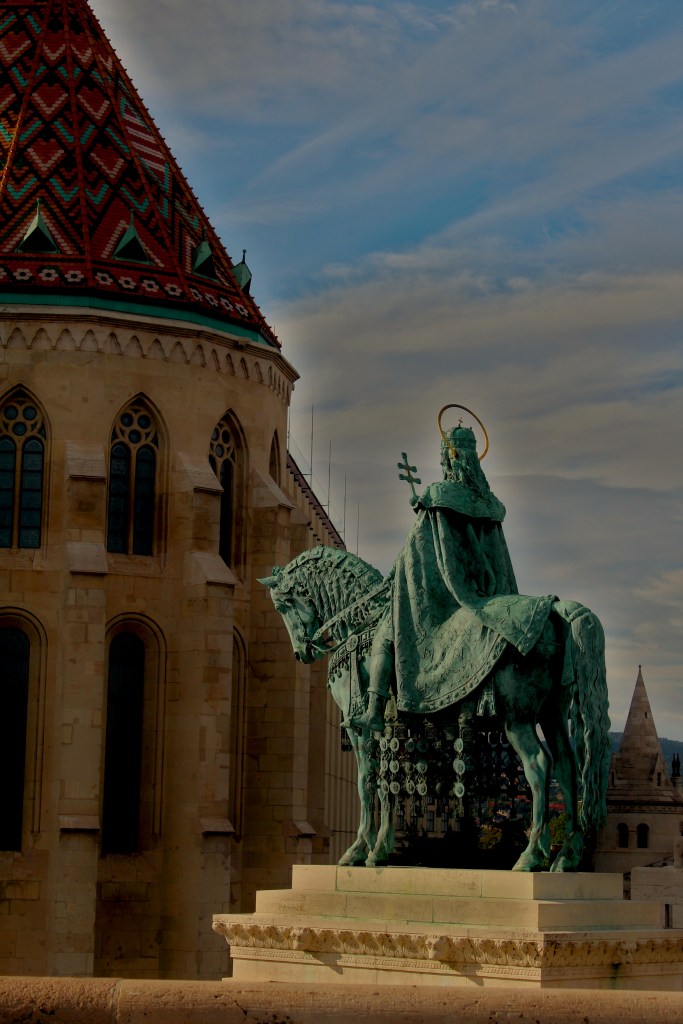
This first place which struck me as the rest of an old castle from a medieval empire was built only a bit more than 100 years ago. The position chosen was a historic one, since there was a fish market right there in medieval times and the guild of the fishers had to defend that part of the city wall of Buda, when attacked.
From the Bastion, you have a clear view on St. Stephen, the medieval ruler of Hungary who christianized the region and built a lot of churches. The towers were given its form to remember the old magyar kingdom, and still – it is such a young place.
Szent Istvan Bazilika
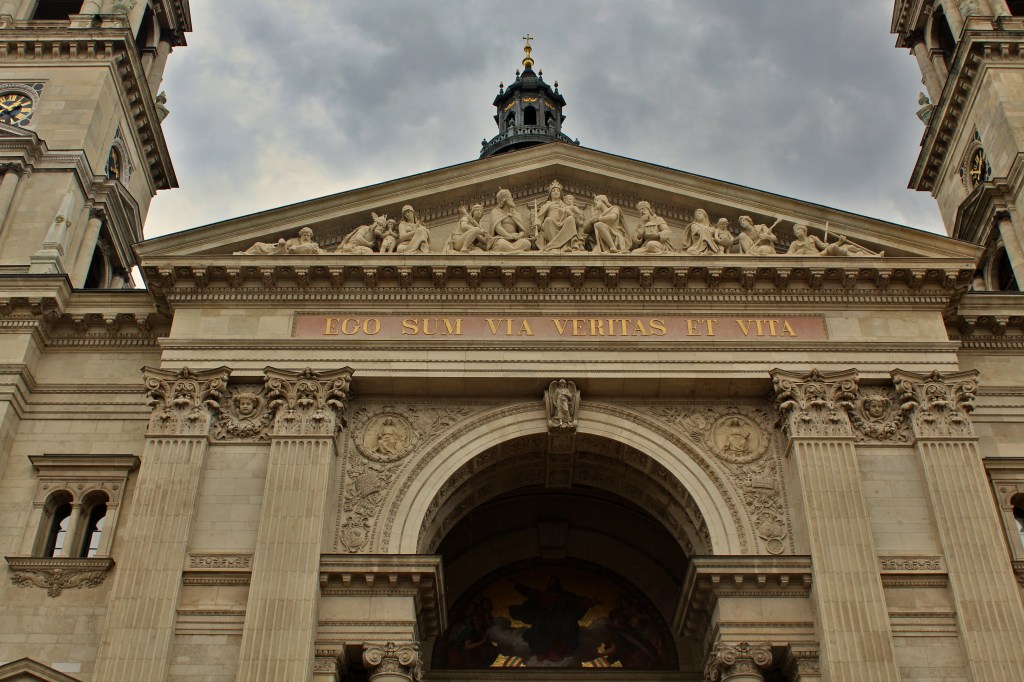
A similar experience I have made at this famous Basilica, to be found in the heart of the city on the Pest-side of the Danube. Named after the medieval ruler who attempted to bring christianity to Hungary and with this form a nation that could withstand attacks from the Austrians and the Ottomans, it was built towards the end of the 19th century, and only granted the rank of a Basilica by the Pope on 1931, to a bit more than 10 years after that promotion shelter people and valuable objects during world war 2.
It was built for a past to continue.
Vajdahunyad Vara
Now, let’s take a look at the fairytale castle in the middle of Budapest!
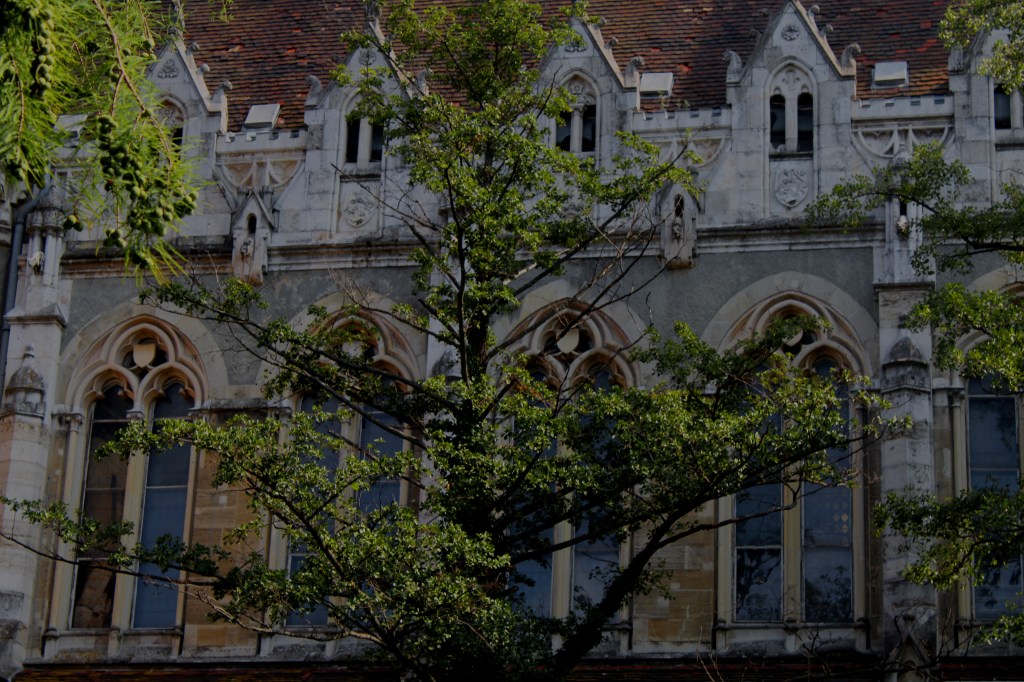
Before we get lost in it’s ornaments and wooden structures to support the towers, let’s be clear: It’s a copy of an older castle that still stands in Transylvania, what at that time was still part of Hungary, but after the first world war became part of Romania and still is today. This copy we are looking at was built around the beginning of the 20th century as well.
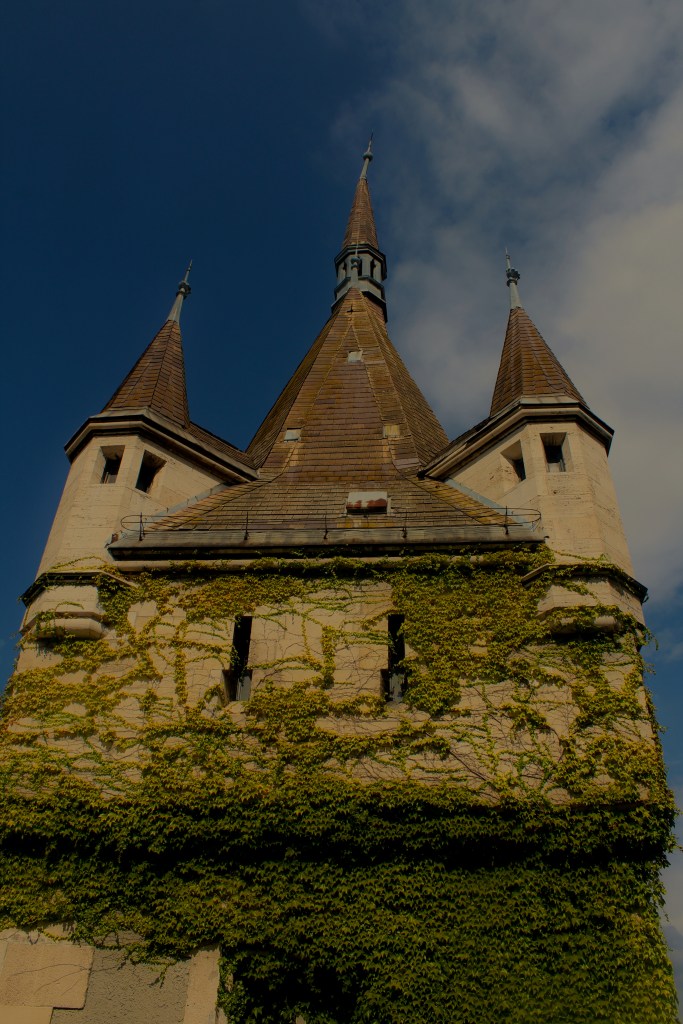
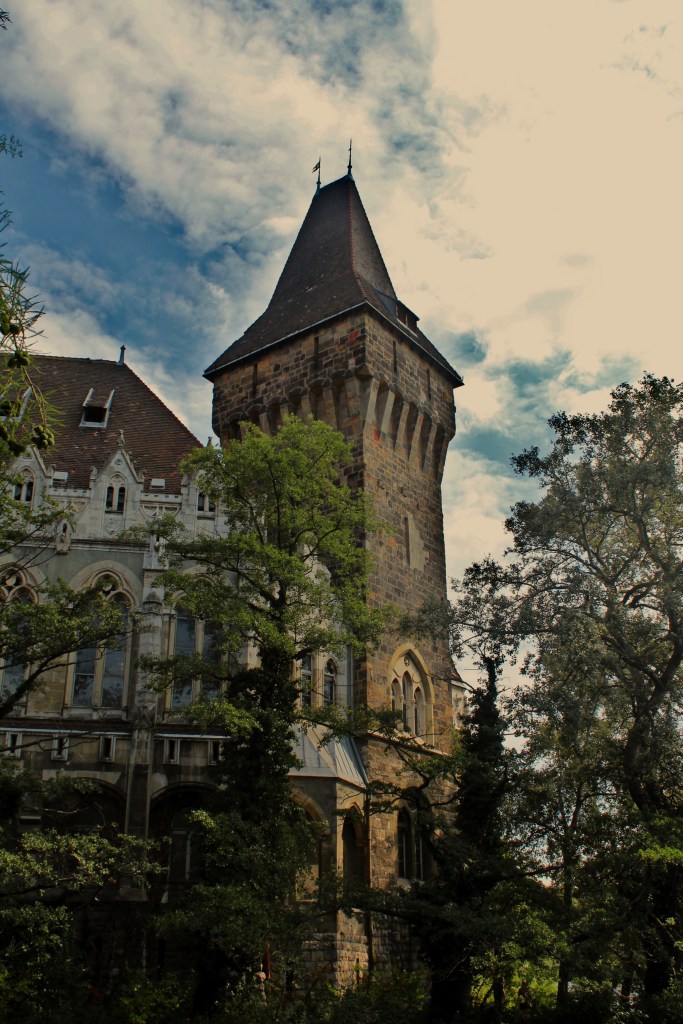
But don’t get me wrong! It is a beautiful place, with a lot of spots to come to a hold and wonder.
Still, it’s a castle built in memory of a past while it was never used as a fortress for real.

These places touched something inside of me.
They make me nostalgic, but for a future that never happened. When asking why all of them were built about the end of the 19th century, the answer to that would probably be that in 1867, Hungary as an own nation was reestablished (although still in close coalition with Austria). Earlier attempts of a revolution had failed, and this was a big step for Hungary to be itself again.
Many aspects of these places tell this story, and as I thought about it for the past weeks (since I last visited them), I wondered what kind of future the architects and artists as well as the simple people witnessing must have thought of. Centuries of more or less peace? Of art and culture in their own language to blossom? Of continuing the nation Szent Istvan had built all those centuries ago?
The places certainly make those thoughts come alive!
… and now think of the 20th century. Think of the horrors that came with the wars and all the connected events , of all the destruction that came with it, and then?
Decades under soviet occupation.
No more coalition with Austria, but still ruled and influenced by the threat of violence.
If you are from the west and think this is too extreme, let me tell you what Hungary remembered only this Monday! On October the 23rd a revolution against the soviets was attempted, and it ended with a full-scale attack. Even when I was stepping away from history and innocently visited the “Natural history museum”, I came across missing objects that had been destroyed in the bombing of Budapest in 1956.
This was a lot of tough and negative stuff, so why am I writing about this?
I think it matters. I think for people in the west and matters to remember what their neighbours in the east went through.
I think that it is a basis for being Europe, to understand each other and let each other be oneself, and to find solutions.
I don’t have to agree with the politics of the recent Hungarian (or Polish, or Slovakian, or my own German) government, but we must never stop taking to each other and understanding each other and address conflicts openly. We have to take care of each other and protect each other. I don’t think the heart of Europe is a friendship between Germany and France, but I see its historic value, and it needs to be taken further. We have to grant each other our own identities and support and respect each other and secure for each of us our safety and basic human rights. And this has to be taken further, and has to be attempted over and over and over again and translated from moment to moment so that it can reach the whole world and not just our small continent, compared to the rest of the world.
At the moment, I feel as if we are failing this even with our eastern neighbours, let alone the rest of the world.
Still, for me this is the heart of a future I could believe in. By summarizing a little bit of Hungary’s history, I took a very tiny step towards my goal I hope, the goal of a future of mutual respect and understanding and never giving up.
Oh, I thought this was a depressing post, but now it’s more one to push your head through walls with. Witching yay!
 Mistress witch writes