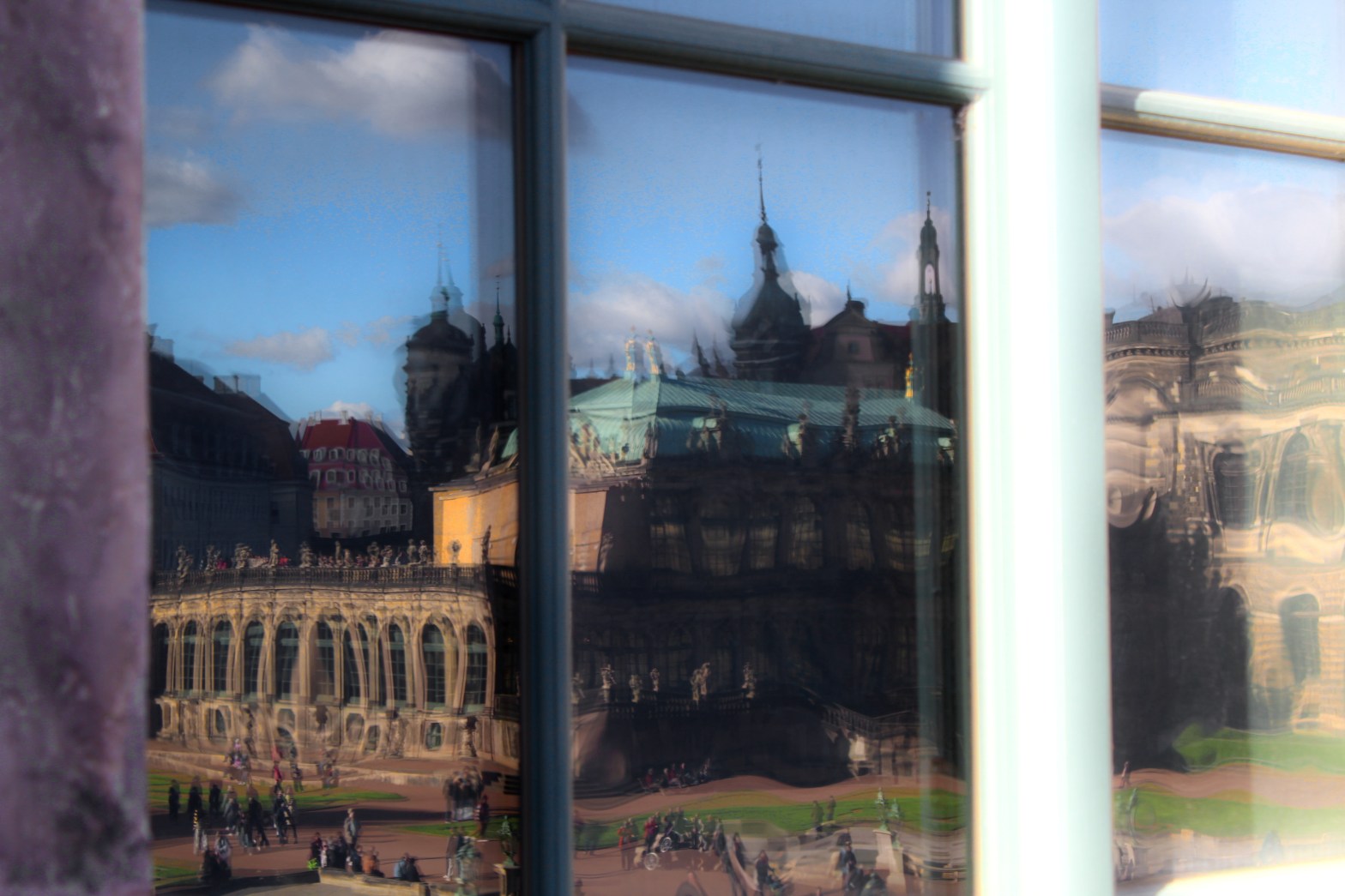
Some places carry so much history, they feel haunted. They are full of melancholia, sometimes even a bit of questionable nostalgia, and can be tough to bare from time to time.
At the moment, I am lucky enough to live in such a place.
For the past months, I have been living in Dresden, the capital of the German state of Saxony far in the east of Germany. In this post, I take you with me on the adventurous journey that was!
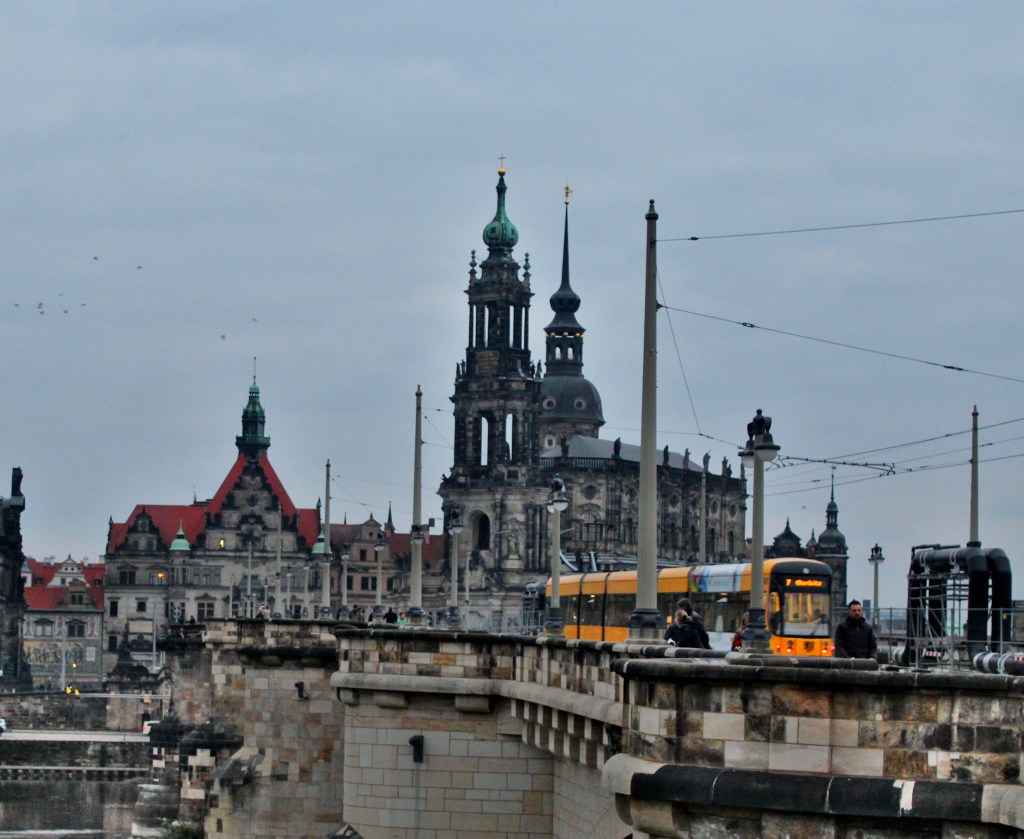
When I told family and friends that I would be temporarily moving far into the east, almost directly to the Czech border, I got quite diverse reactions. Some people simply congratulated me for the internship I was accepted for, which is a rather huge opportunity for my day job as a museum educator (witch). Others, like my mother, still haven’t after 35 years accepted that the east is a part of Germany again and acted as if I was going to voluntarily wander into a fascist dictatorship that would make me vanish. Then again, there were some non-german friends who were surprised that the city had been rebuilt at all after the almost complete destruction in 1945. You could call this mixed-feelings, I guess.
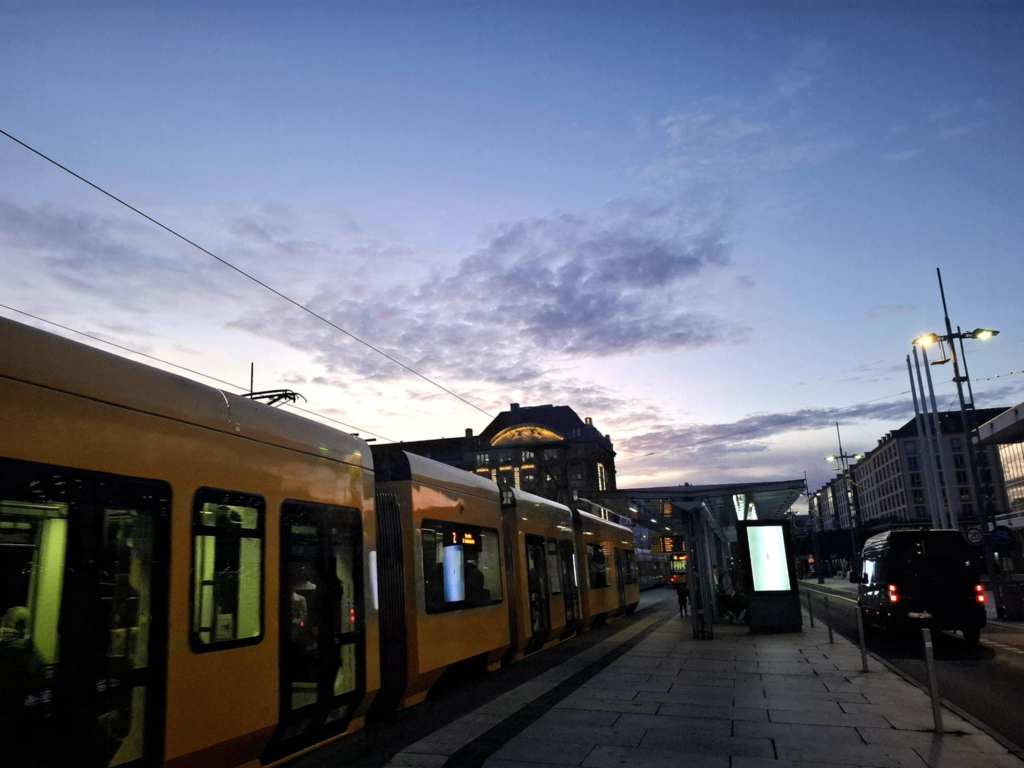
When I moved myself to Dresden, leaving my family and cats carrying a huge suitcase filles with vacuum-packed clothes, I definitely knew that I was looking forward to a time full of history coming alive around me. I was looking forward to living in such a historic city with a yellow tram! I love historic cities with a tram system!
By now I can say that this was also connected to meeting some of the most interesting people, while also running into the greatest confusion I have ever encountered, and also, facing surprising contradictions at every corner.
The Baroque City
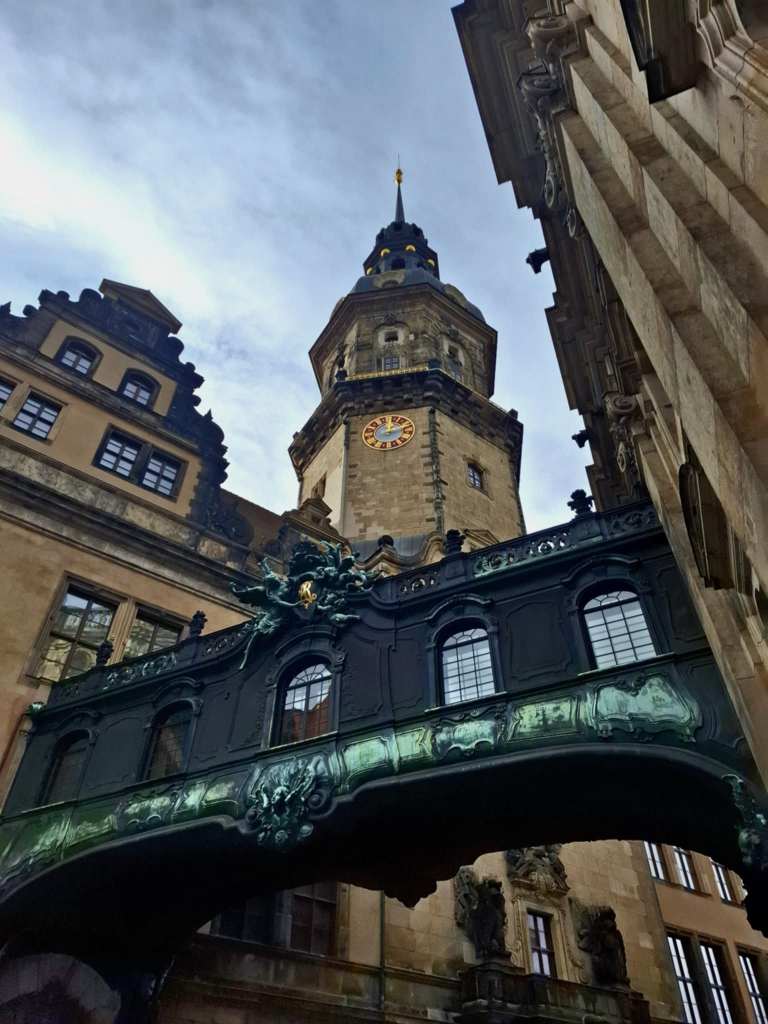
Dresden nowadays is proud of its oldest history. While the medieval roots are emphasized at some places throughout the city, the baroque character of the city scape has become its core. Historical buildings are still being rebuilt, making some streets in the old town look like a painting. It is beautiful, but sometimes feels as if a lot of darkness has been painted over.
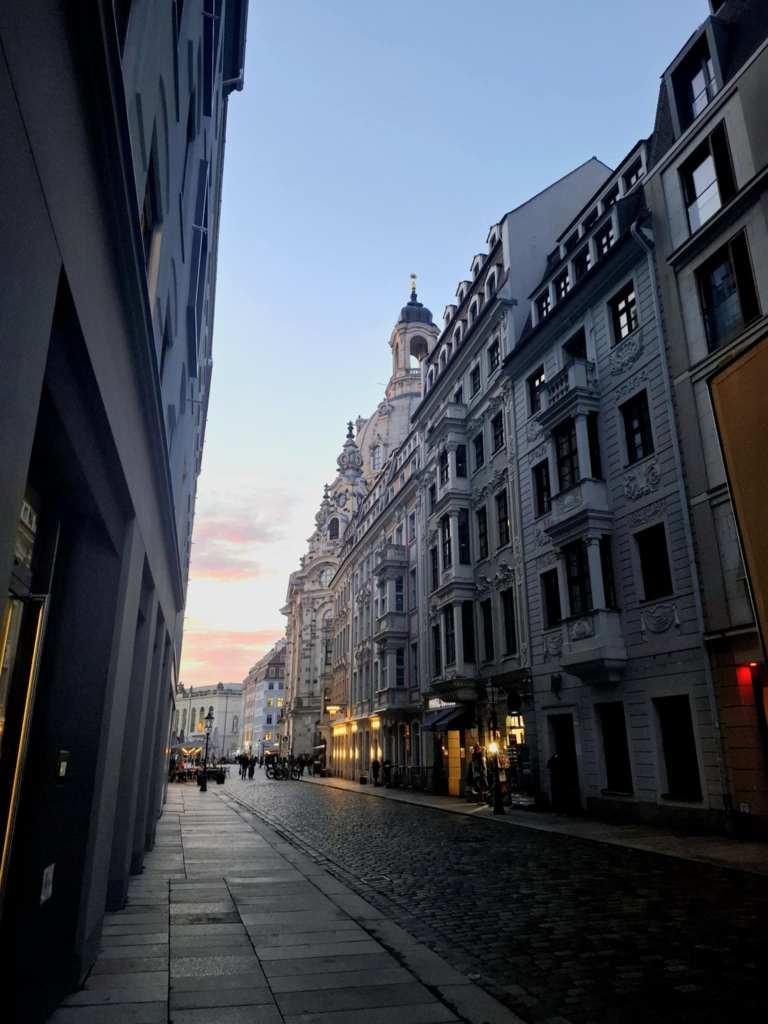
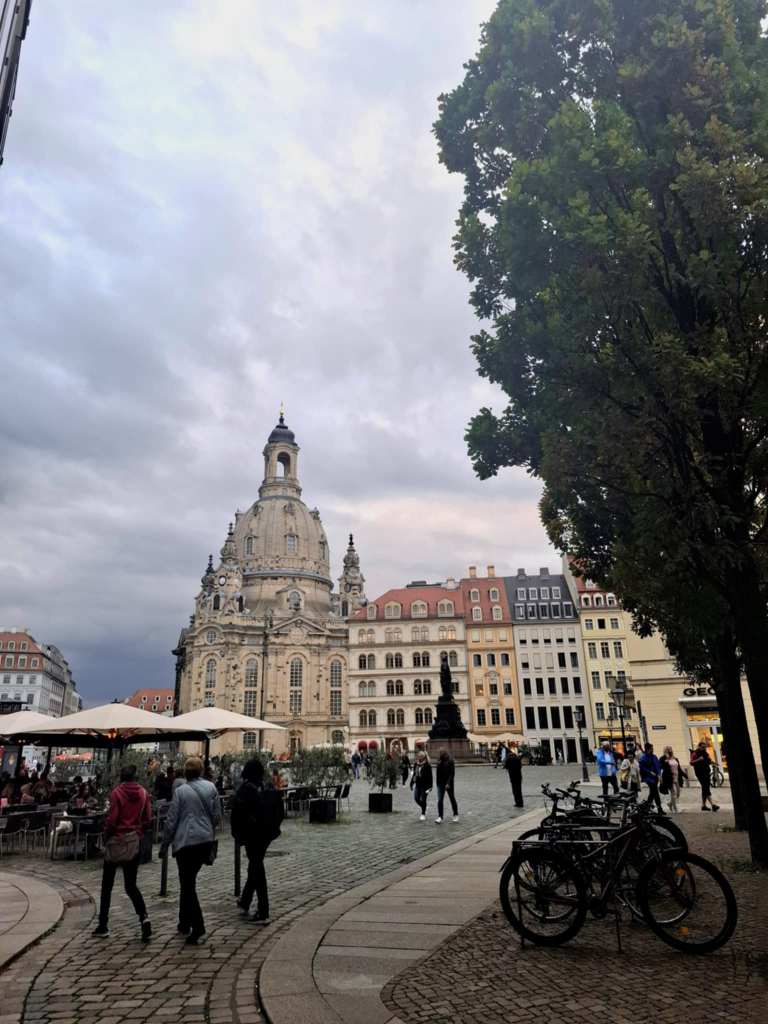
Rebuilding the historical “Frauenkirche”, for example, has only happened around the year 2000, and had attracted a lot of international attention. Before that, there had still been the hole in the earth ever since 1945 (sort of).
When a friend of mine visited me, they still noticed the socialist city structure underneath, because of the large and empty places that were originally built to gather people for speeches and parades.
A Socialist Past
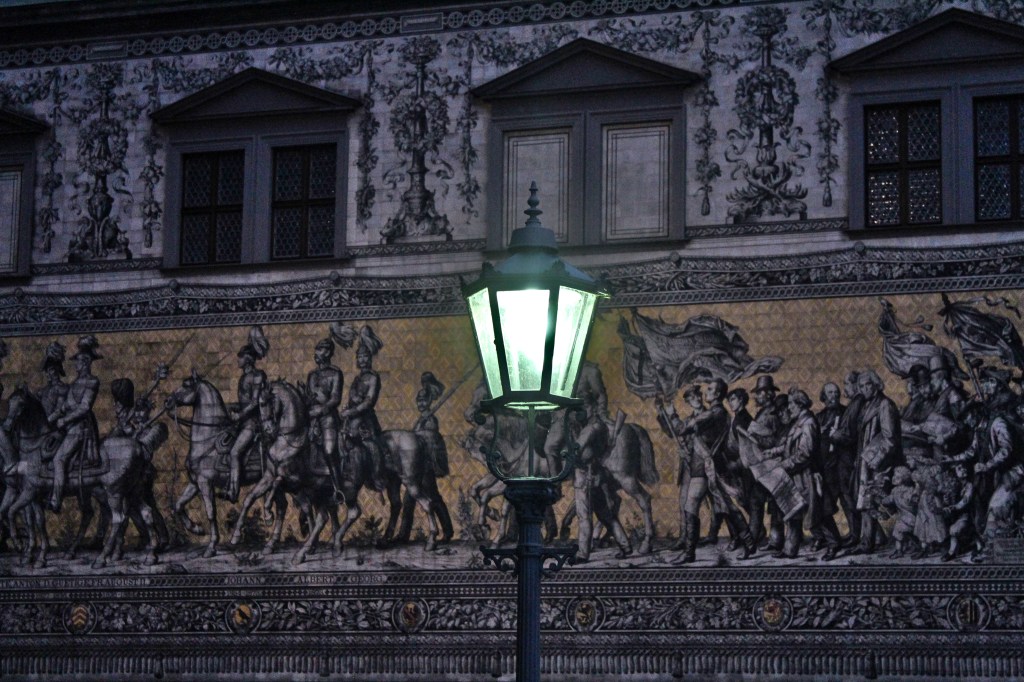
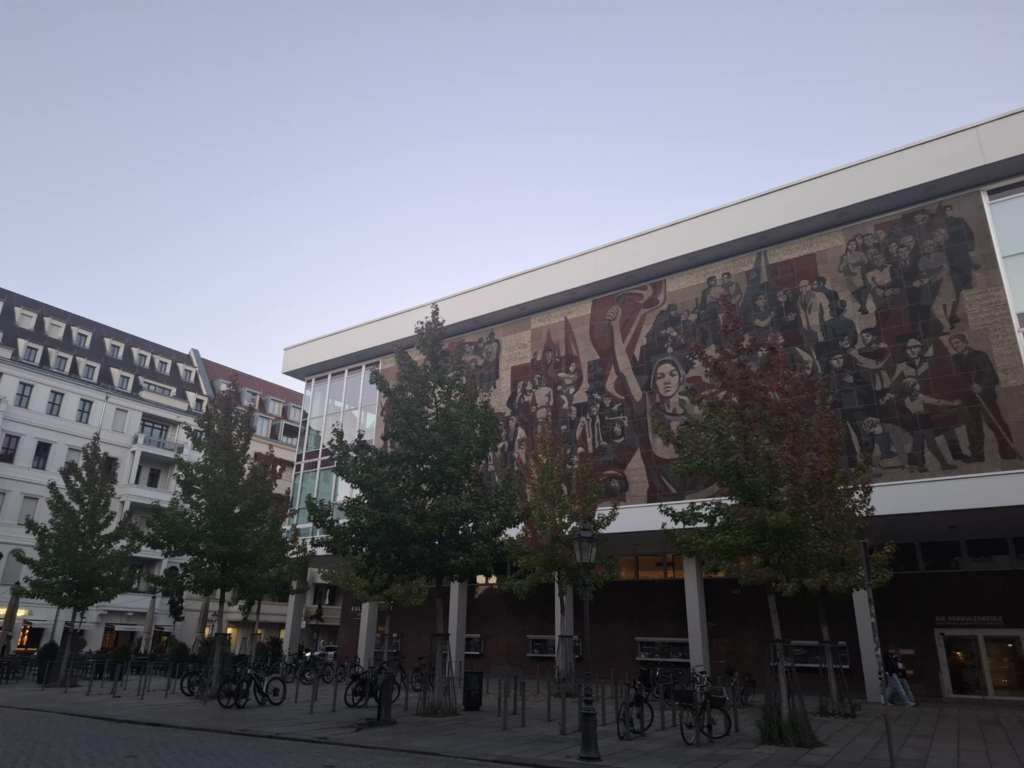
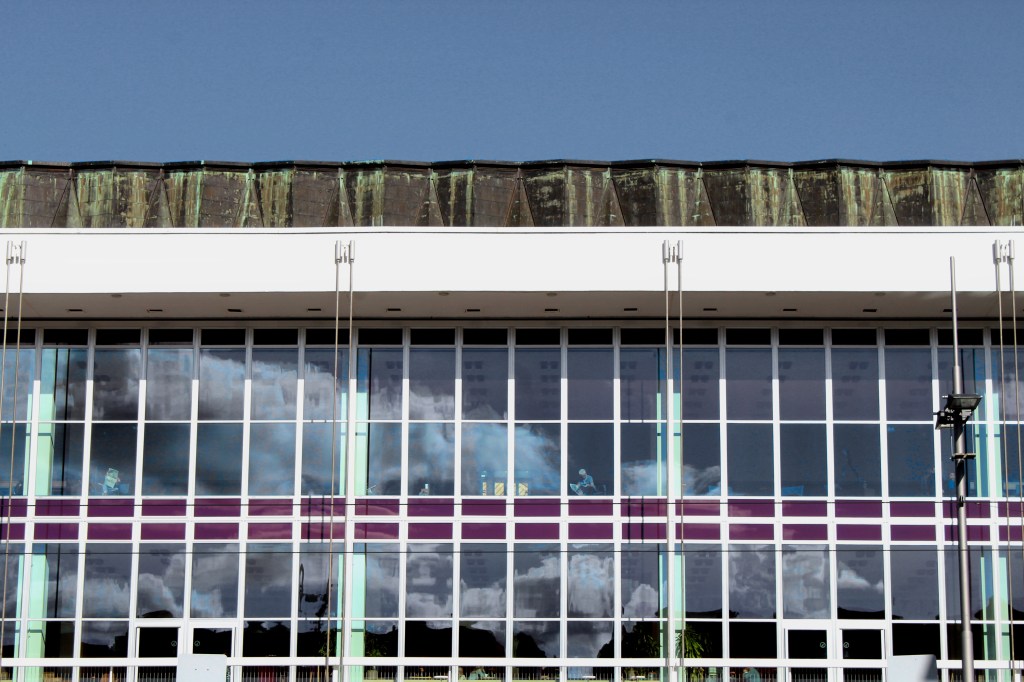
I was impressed with them noticing. It showed that they had a lot more experience with understanding East-Germany. Because yes, it was socialist for some decades. It was like the end of Russia’s stretched arm during the cold war. This is why when walking through the historic old town and having just passed the “Fürstenweg” (left), which is a historical mural of German monarchs, I suddenly find myself standing on front of the Kulturpalast (right), the palace of culture, that is a socialist building that even still wears the socialist mural of a woman waving the red flag.
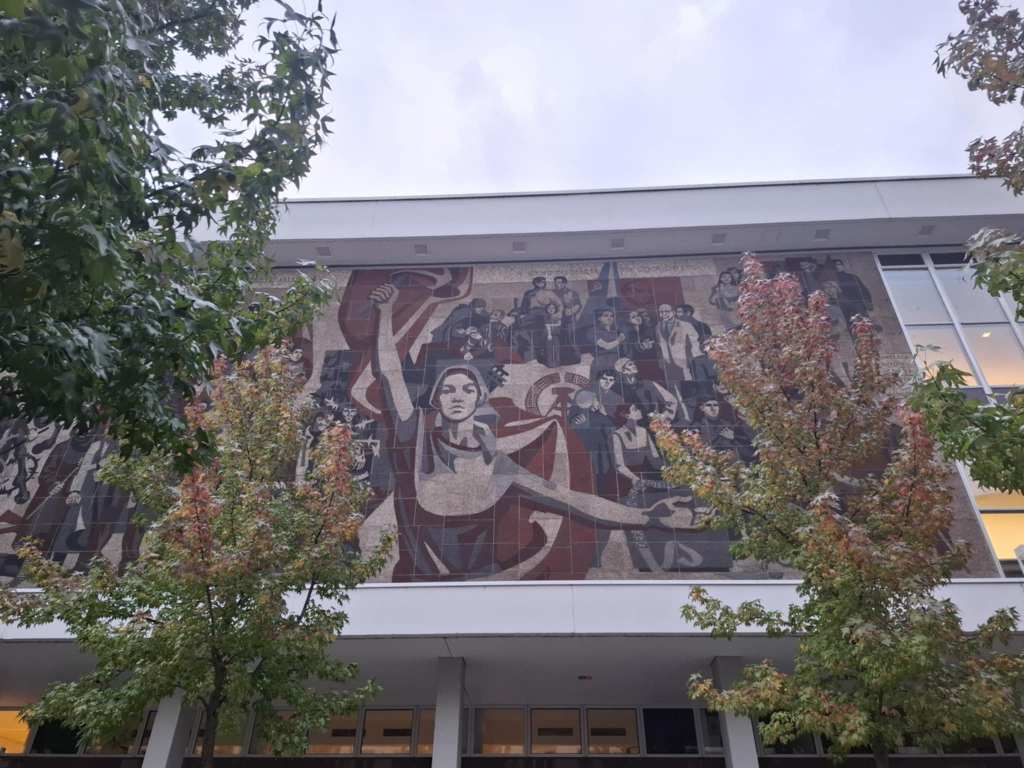
During socialist times, consuming only the kind of art and culture that was promoted in the palace was allowed.
I could now turn this post into a history lessons, but I’m not gonna. The 20th century was never my focus of narration, and so I’m not gonna start now. And also, I think there are other ways to capture the experience of living in such a historic city.
For example, a colleague who is much older than me and grew up in socialist times told me that he was in prison several times for several days only in the final weeks of the GDR (the German Democratic Republik, how East-Germany had called itself during the cold war), because he protested. Because he wanted to be free.
Free to leave the country. To travel. To not have the party decide which music to listen to, which books to buy. And I had goosebumps, because I felt the struggle of his youth through his words.
But it also pointed out a lot of challenges. Even today, we have some kind of censorship, which I think can be justified. The TV does not broadcast news written in Putins Russia. I am not easily allowed to read Hitler’s “Mein Kampf” (only in public libraries for research purpose), and so on. So, we don’t have that kind of freedom to do whatever we want. We still have rules that make living together easier, which my colleague happily accepts.
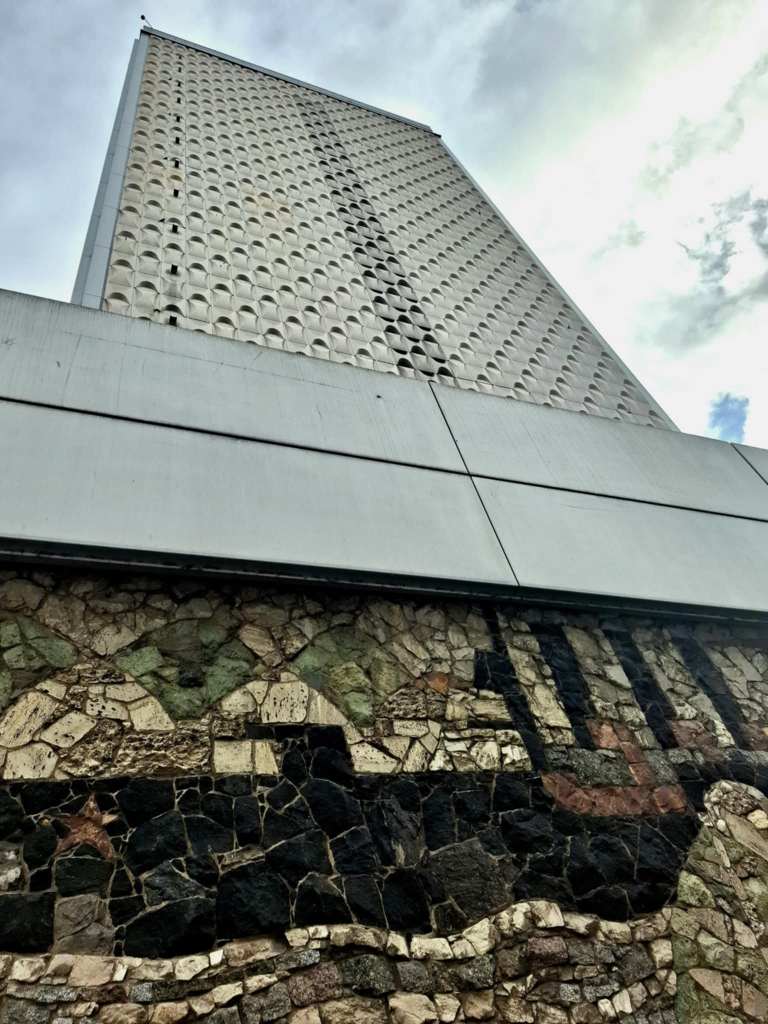
This is not always the case in East-Germany. For example, you need strong nerves if you are standing in front of the Kulturpalast on a Monday at 7 PM. Because Monday protests, inspired by those that took place throughout all of the GDR towards its end, still take place today. But not by people fighting a fascist regime, or people longing for freedom and basic human rights.
No. Nowadays, Russian flags are being waved, and speakers demand for Ukraine to stand down. And as if that was not enough, one of them has recently even promised his listeners that Putin would, apparently, free us all from Muslims so that the daily mass rapes at the central station would finally stop. Confusion is a mild word for that mental state. But I think, it’s the core.
Another colleague told me that many people towards the end of the cold war had hoped for an independent state of East-Germany. One fully democratic, without a society police and torture prisons. A modern, democratic, functional state, but one on its own, and not reunited with West-Germany. The reunion happened so quick that some people never felt heard and represented.
And it shows. Non-voters are a common problem in East-Germany, as well as those that now vote for far-right parties. They have their basis in the east.
Another person told me how kind the (socialist) party had always been to her and her family, and how after the “Wende” (the “Change” to a reunited Germany), for the first time ever, punks with blue hair were roaming the streets and had robbed her and her family with a knife for a few coins. FIY, there were punks in the GDR. They were declared an enemy by the regime together with an youth culture. This story is the result of brainwashing. It was terrifying to meet that in person. Especially when you are me and wearing all black with massive boots and a hat with cat ears. And it made the place I live in feel lot more like a socialist open air prison … which it was. But this flat is huge and cheap!
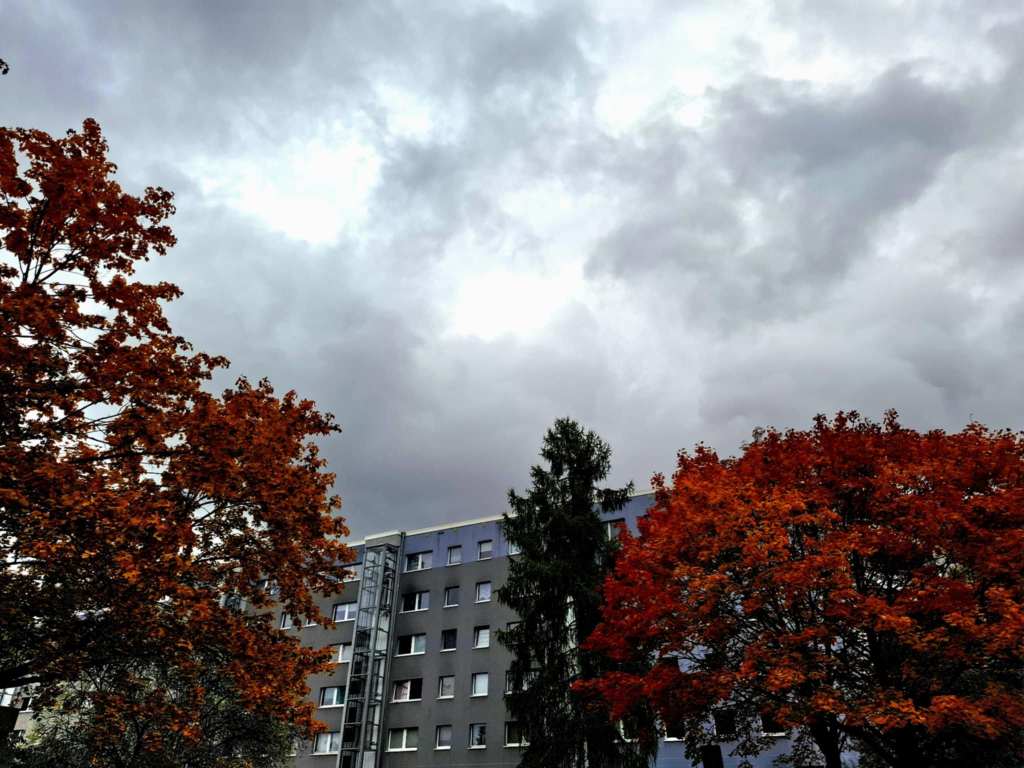
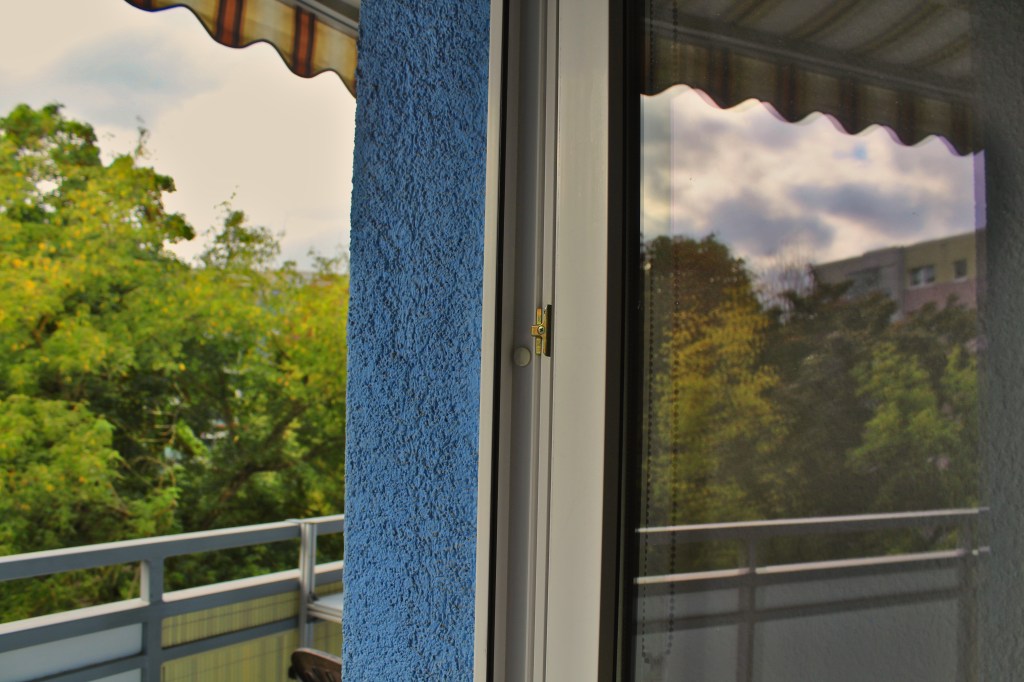
As you can see, this was a most historic, philosophical, and diverse experience. In a way, I was in Germany, but I also felt like I was far abroad. I am in a place where people speak a heavy dialect I struggle with, and have lived through a history I don’t share, and only barely begin to comprehend.
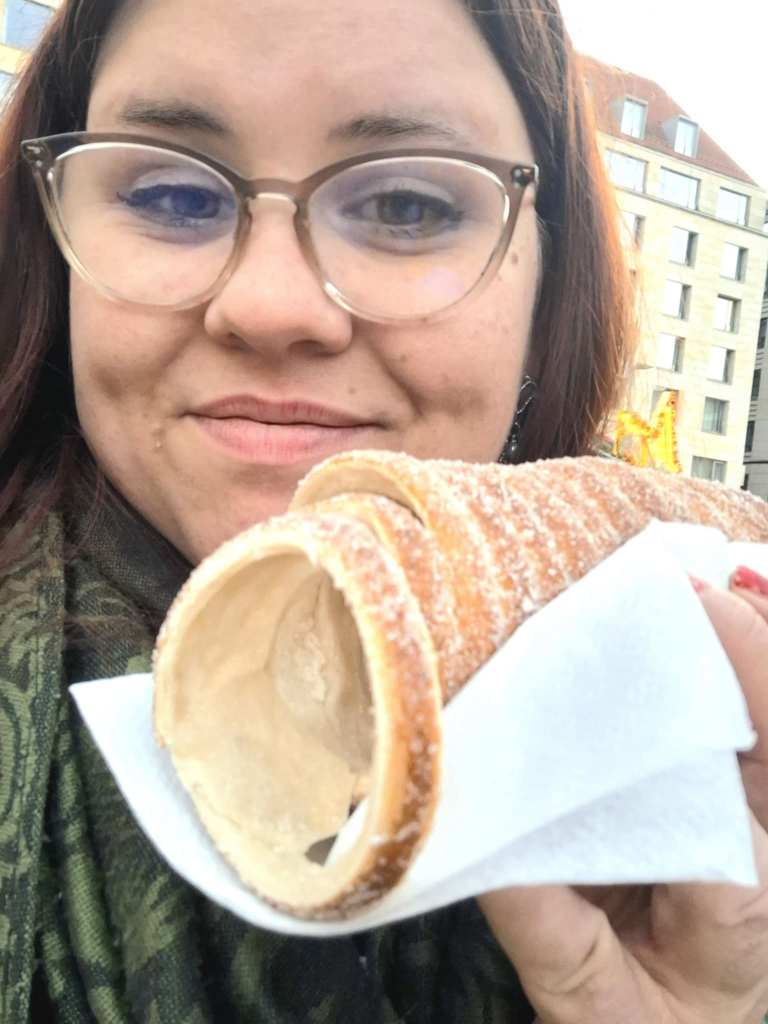
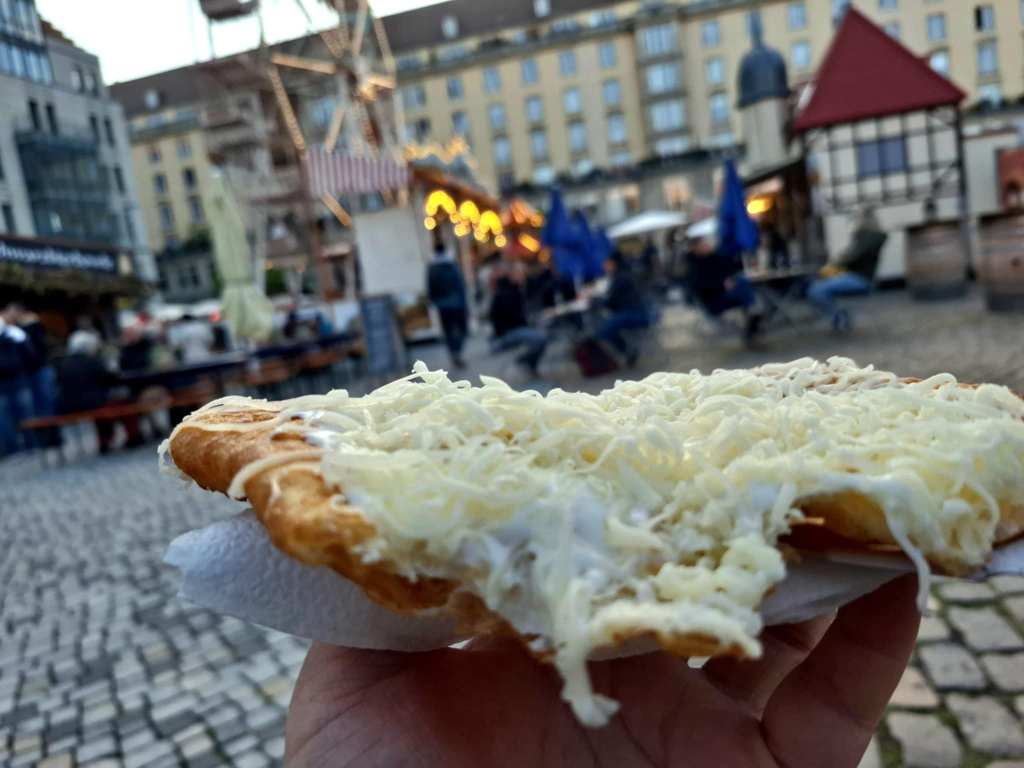
I learned a lot, and listened to stories that moved me to tears, or shocked me. I took many walks with my camera, made some work experience that I could have only made here in this historic city, and I enjoyed the closeness of Dresden to our Slavic neighbours, because this means that the food becomes irresistible. There is good kürtőskalács/ trdelnik (left) and Langos (right)!
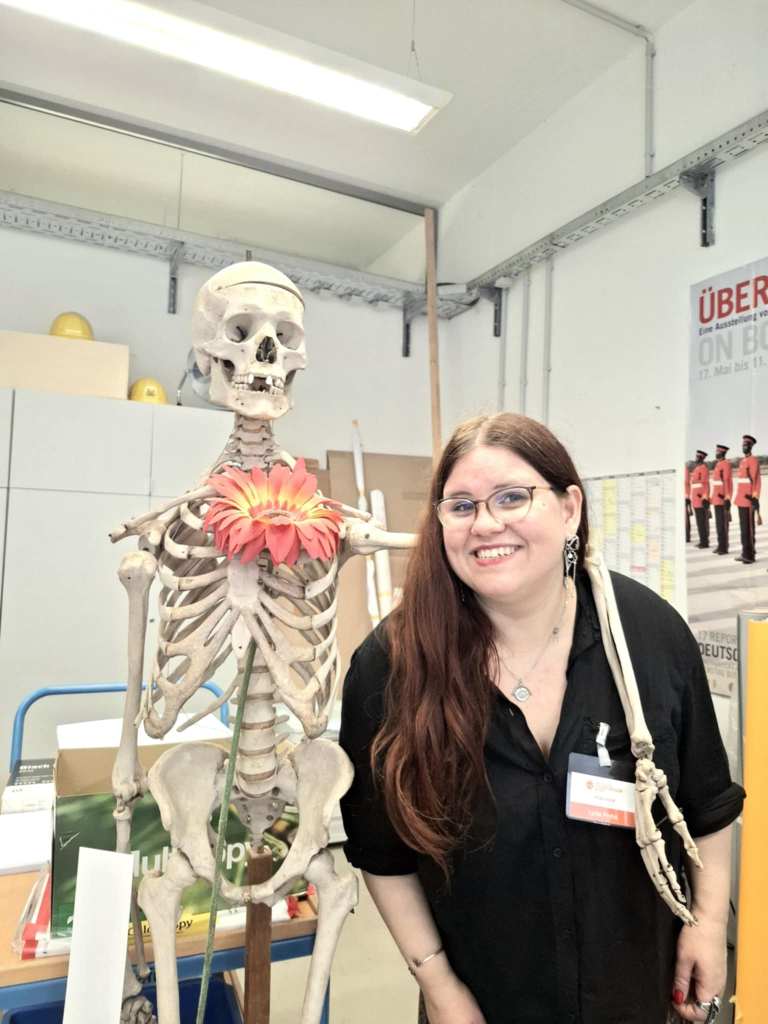
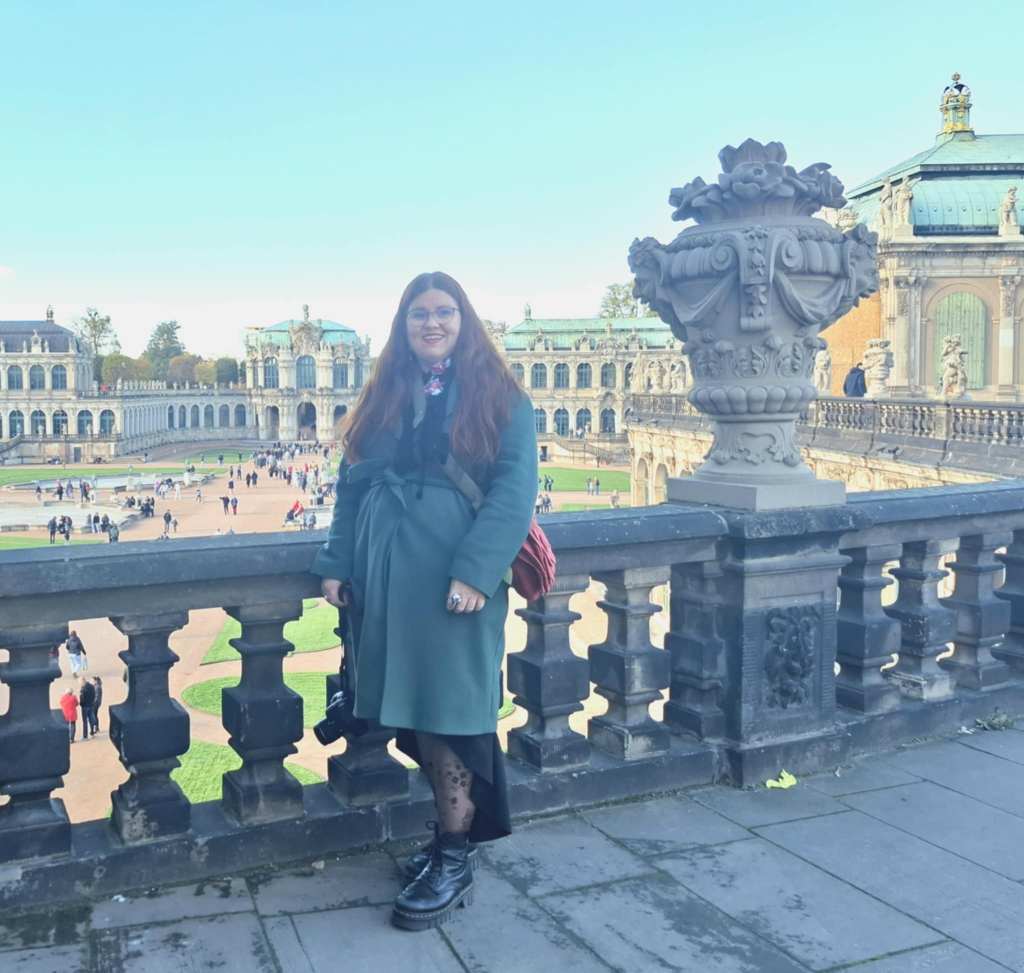
It is because all of these intense moments, images, and conversations that the time in Dresden has so far been so inspiring to me. I have often spent the evening at a café at the (exceptionally huuuuge) old market writing, because I felt so connected to the historical horror of being alive.
 Mistress witch writes