This is a hopeful post, although it might not look like it at first.
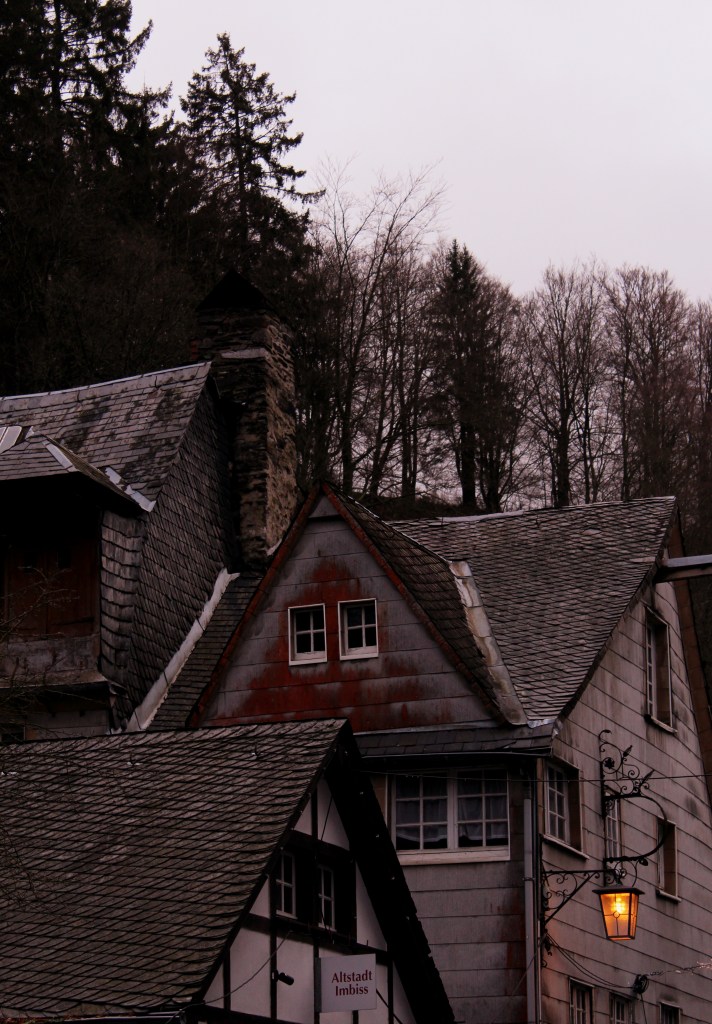
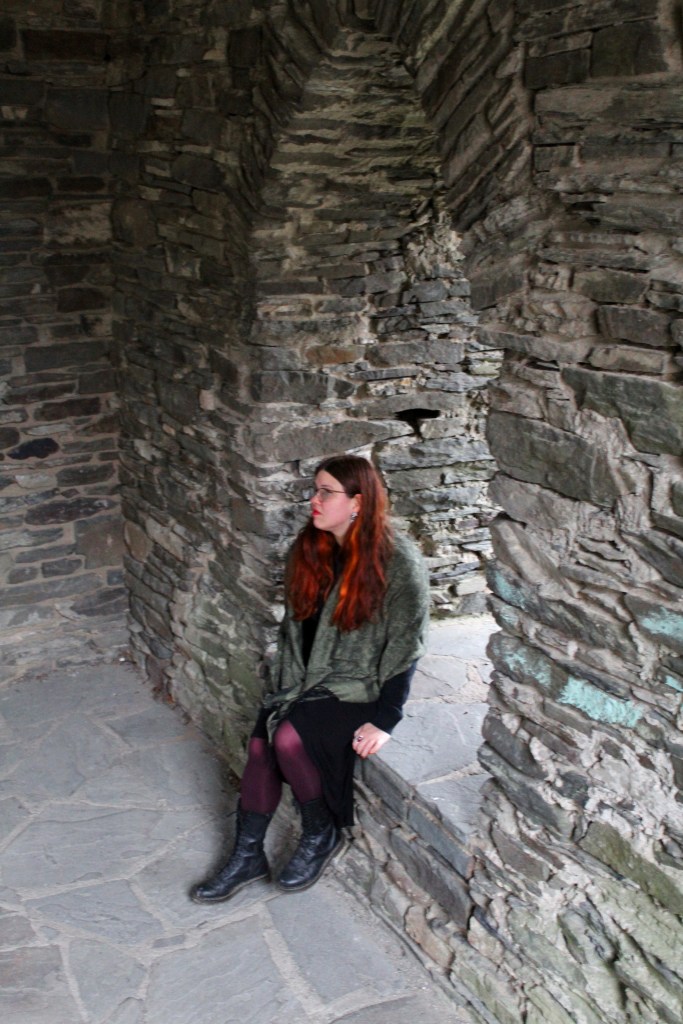
Recently, the region I am living in is experiencing a historical wildfire, and it was getting terrifyingly close to the city that gave me a lot of inspiration to write my witching novel. The town is called Monschau, and who is reading my blog regularly knows how often I have mentioned it. Of course, this issue does not only matter to me because of my favourite hiking destination being at risk. It just makes me experience once more how fragile life is and how much more we should treat it that way. This is a post about resilience, charging hope, but also a statement for climate and environment protection!
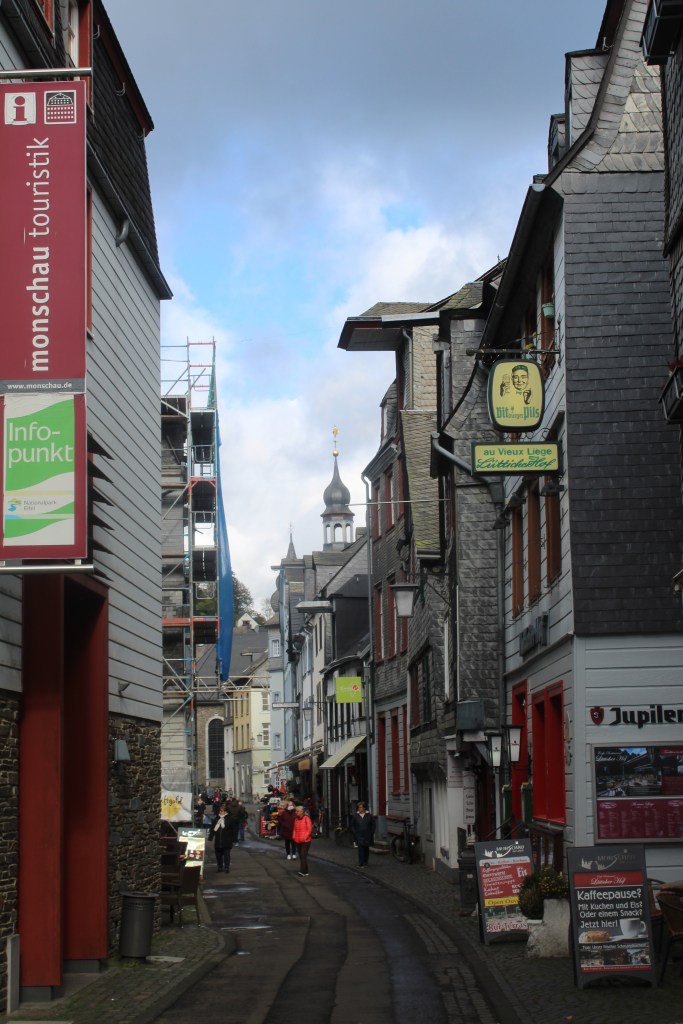
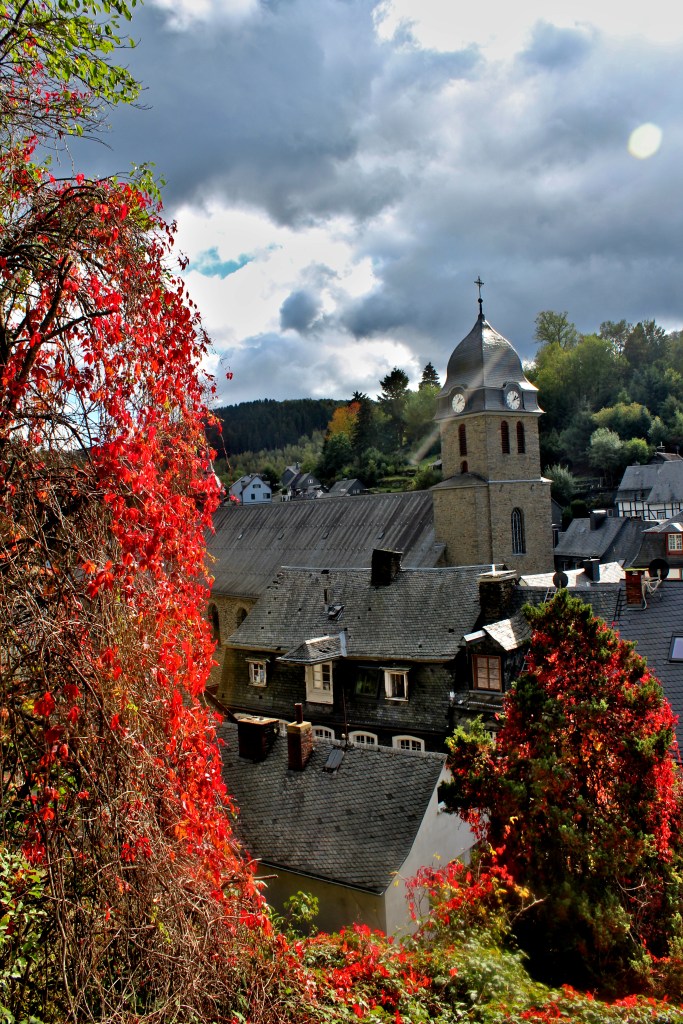
Monschau is a very historical small town at the Western border of Germany. Close to Belgium and the Netherlands, it is mostly a touristy place these days, but offers a lot of history to experience. I already wrote one post about the astonishing history one can uncover there.
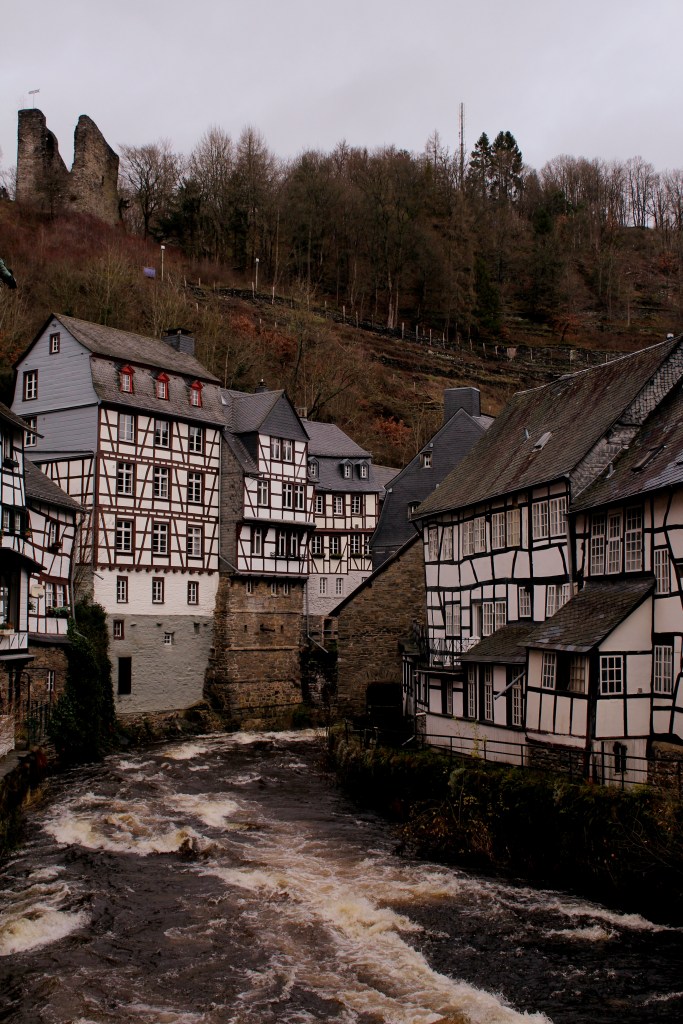
It survived plague, religious wars, fire, even the final weeks of the second world war seeing serious military operation getting close. It has always been a place of resilience. Read my old post, if you want to know more.
By now I can add that it was flooded during the “Ahrtal” flood in 2021, that killed 135 people (due to misinterpreted/communicated flood alarm) Monschau was also flooded, but got away without any too serious damage. This is a small town of resilience!
Three days ago, however, I read that people living there had been ordered to evacuate. The wildfire at the “High Fen” in Belgium was getting too close. It is the biggest wildfire this region ever saw. The burned smell even reached the city of Cologne. I live an hour from Cologne and much closer to the border. I can confirm. I smelled the ecological disaster as well.
These fires are not just special because of their large area. Sadly, this fire is raging in a bog. A bog that has been dried, due to harvesting certain kinds of woods, and of course the recent draughts and heat records. This is not just a wildfire, this is by now called a “Zombie fire”.
Which means that the fire is not necessarily visible while burning. There are fires feeding on vegetation, which is also a terrible thing. These fires, however, can burn meters beneath the ground without a single flame visible until they break through again. Sometimes after years.
This is possible because … I know in this post I sound an awful lot like your science teacher, but that’s what I am, so hear me out! So, this is possible, because the fire has retreated to the peat layer of the bog. This is a layer consisting of very old former plant material. Part of its decomposing means that it consists of a lot of carbon, which makes it burn relentlessly although invisible. These Zombie fires will have to be observed for years. There were cases where they resurfaced after more than two years.
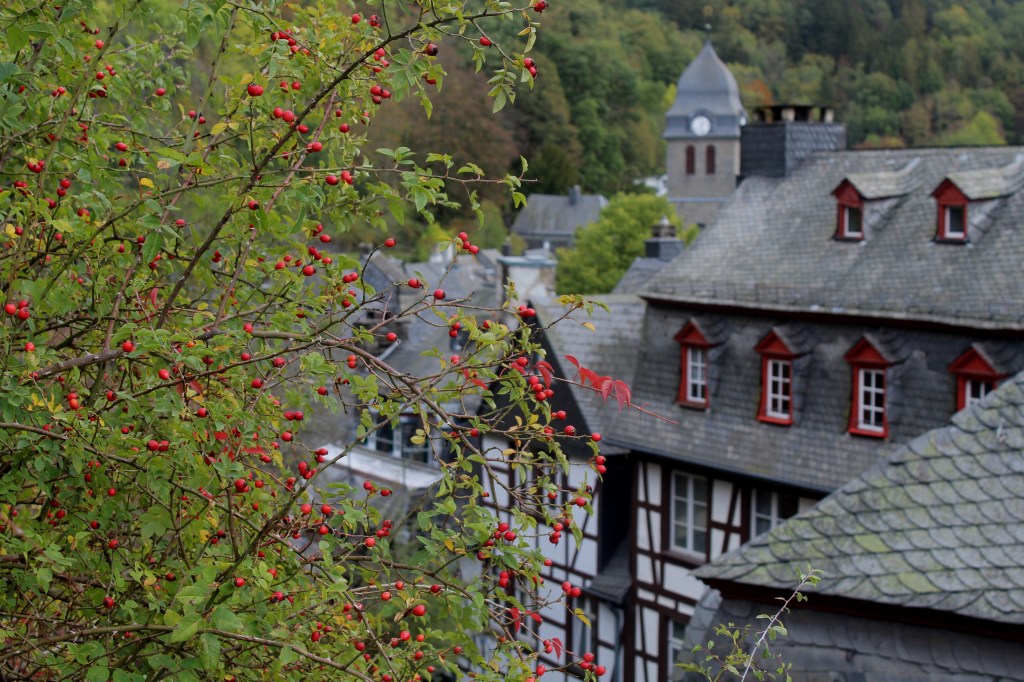
So, my favourite small town is encircled by Zombie fires. Still, this evening, people were allowed to return to their homes for now. People and cattle, because it’s a very rural area. I saw an interview of a woman standing between her cattle saying in the local dialect that her nerves were “at -10”.
While my favourite small town now has Zombie fires as a neighbour, Germany sees a revival of neo-liberalist politicians denying any urgent climate action. Elcetions are being won with denying the need for renewable energy, and swearing that fossil fuel is safe. I could break apart over this.
So, I see this crisis as a reminder that I am right about never taking the plane, not owning a car, and eating regional products wherever I can.
While I am typing these words, I am sitting in my garden sheltered from heavy rain, and rain means hope. At first, the sudden rain on a very heated up landscape caused a terrible fog that made operations at the High Fen a lot more complicated, but by now, the cold and humidity seems like a blessing from the universe.
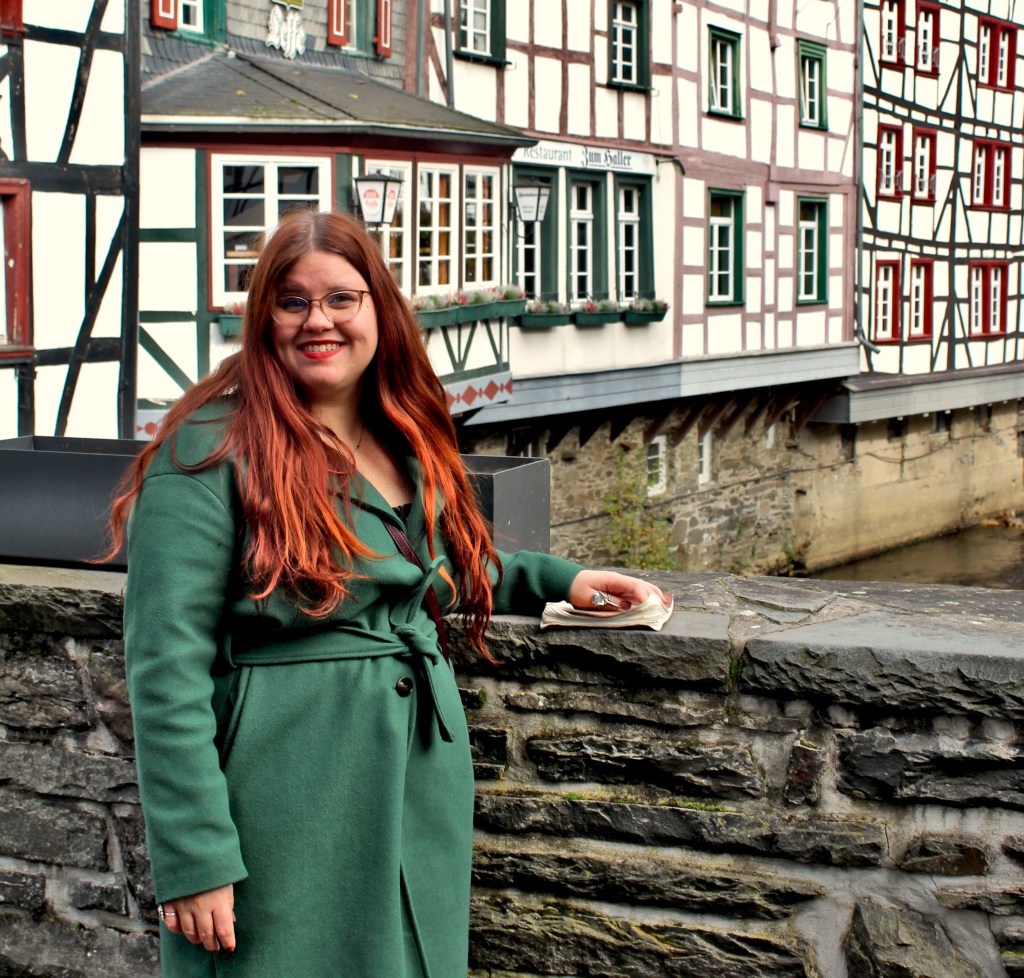
An ancient bog was lost. A lost bog also does not store carbon dioxide anymore, which means that the admission to the atmosphere will worsen.
We need to find the strength to confront these neo-liberalist, conservative science denialism. The Zombie fire next door is another daily reminder for me. I will think of autumn hikes, the castle, buying “printen” to snack, and having coffee at historical places in the old town to find that strength. Monschau’s resilience will be a place of recharging hope.
In case you want to know more …
https://www.dw.com/en/belgium-germany-wildfires/a-78411972
https://www.bbc.com/news/articles/cp8eex1nmpvo
https://ground.news/article/why-fires-in-dry-bogs-are-difficult-to-fight

